
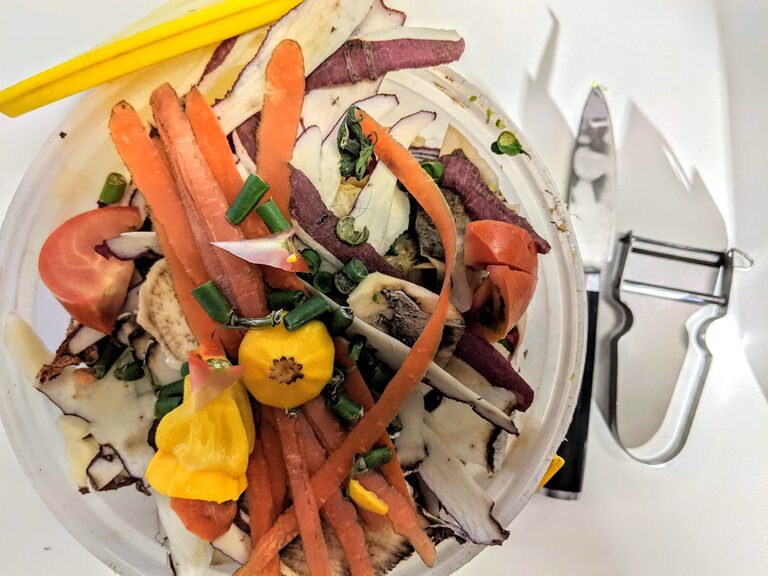
Reducing food waste at home is a great way to save money, conserve resources, and contribute to a healthier planet. Every year, a significant amount of food ends up in the trash, even though much of it could have been consumed or reused. Fortunately, with a few mindful habits and practical changes in your daily routine, you can make a noticeable difference. Here are some helpful tips to reduce food waste at home.
Understand Why Food Waste Happens
Before diving into solutions, it helps to understand common reasons food is wasted:
– Buying too much or wrong items
– Improper food storage
– Forgetting about food in the fridge or pantry
– Misunderstanding expiration dates
– Not using leftovers creatively
Identifying which factors apply to your household can guide your approach to reducing waste.
Smart Grocery Shopping Practices
Plan Your Meals
Creating a meal plan for the week can help you buy only what you need. It reduces impulse purchases and ensures ingredients are used efficiently.
Make a Detailed Shopping List
Write down exactly what’s needed based on your meal plan and stick to the list. This prevents overbuying and reduces the chance of food spoiling before use.
Shop After Meals
Shopping on a full stomach helps you avoid buying unnecessary items. When you’re hungry, it’s easier to get carried away with impulse buys.
Prioritize Perishable Items
Choose fresh, perishable produce last during your grocery run so it stays fresher longer.
Proper Food Storage Tips
Correct storage extends food’s shelf life and keeps it safe to eat longer.
Use Airtight Containers
Store leftovers and opened packages in airtight containers to keep food fresh.
Understand Temperature Needs
Keep your fridge at or below 40°F (4°C) and your freezer at 0°F (-18°C) for optimal preservation.
Separate Ethylene Producers
Some fruits like apples and bananas release ethylene gas, which speeds ripening. Store them away from vegetables sensitive to ethylene.
Label Your Food
Label containers with the date you stored the food. This helps you keep track and use items before they spoil.
Use Leftovers Creatively
Leftovers do not have to be boring or wasted.
Repurpose Meals
Turn yesterday’s roast chicken into chicken salad, tacos, or soup.
Freeze Surplus Portions
If you cook extra food, freeze portions for future meals instead of letting them go bad.
Get Inspired with Recipes
Look for recipes designed to use common leftover ingredients.
Understand Expiration Dates
Food labeling can be confusing. Different terms mean different things:
– “Best by” or “Best before”: Suggests peak quality but usually safe after this date.
– “Use by”: Indicates safety and should be adhered to strictly.
– “Sell by”: Meant for stores; food is often still good after this date.
Use your senses—look, smell, and taste—to judge food safety rather than relying solely on dates.
Compost Food Scraps
Even with best efforts, some scraps are unavoidable. Instead of throwing them in the trash, consider composting.
How to Start Composting at Home
– Use a compost bin or pile in your backyard.
– Compost fruit and vegetable peels, coffee grounds, eggshells, and other organic waste.
– Avoid meat, dairy, and oily foods in compost bins to prevent pests.
Composting reduces landfill waste and provides nutrient-rich soil for gardening.
Tips for Handling Perishable Produce
Buy Loose Produce
Buying loose fruits and vegetables allows you to buy only what you need instead of pre-packaged quantities.
Use Produce Bags or Storage Containers
Keep produce fresh longer by using breathable bags or containers designed for veggies.
Practice the FIFO Method
“First In, First Out” means using older items before newer ones to prevent spoilage.
Educate Your Household
Reducing food waste is easier when everyone in the household is on board.
– Share tips and goals with family members.
– Encourage kids to help with planning and cooking.
– Make it fun by tracking waste reduction progress together.
Final Thoughts
Reducing food waste at home takes a little extra effort, but the rewards are well worth it. You save money, reduce environmental impact, and enjoy fresher meals. Start by making small changes such as planning meals, storing food properly, and using leftovers smartly. Over time, these habits will become second nature and help you create a more sustainable home.
By adopting these tips, you’ll contribute positively to a global effort that benefits both people and the planet. Happy cooking and less wasting!