
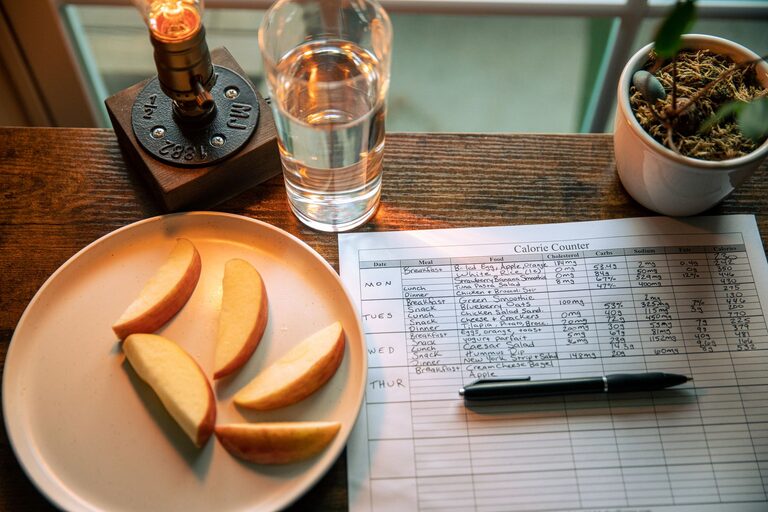
Eating balanced meals is a key part of maintaining good health and feeling your best. But with busy schedules and countless food choices, planning meals can sometimes feel stressful or complicated. The good news is that creating nutritious, balanced meals doesn’t have to be overwhelming. With a little guidance and simple strategies, you can plan tasty meals that support your wellbeing while saving time and effort.
In this post, we’ll walk you through easy steps to plan balanced meals without stress. Whether you’re cooking for yourself, your family, or both, these tips will help you feel confident and organized in the kitchen.
What Is a Balanced Meal?
Before diving into meal planning, it’s helpful to understand what a balanced meal means. A balanced meal includes a variety of food groups in the right proportions to provide essential nutrients your body needs. This typically involves:
– Protein: Helps build and repair tissues (e.g., lean meats, beans, tofu, fish)
– Vegetables and Fruits: Provide vitamins, minerals, and fiber
– Whole Grains: Offer energy and fiber (e.g., brown rice, quinoa, whole wheat bread)
– Healthy Fats: Support brain health and absorption of vitamins (e.g., olive oil, nuts, avocado)
– Dairy or Alternatives: Provide calcium and vitamin D (e.g., milk, yogurt, fortified plant-based milk)
Balancing these components on your plate helps promote steady energy levels and overall health.
Step 1: Start with Simple Meal Templates
One way to reduce stress is to use a simple meal template as a starting point. For example, think “Protein + Veggies + Whole Grain.” This template can be mixed and matched with different ingredients to keep meals interesting without needing new recipes every day.
For instance:
– Grilled chicken + roasted broccoli + quinoa
– Black bean chili + side salad + brown rice
– Baked salmon + steamed green beans + whole grain pasta
Having a basic structure helps you plan meals more easily while ensuring they include balanced nutrients.
Step 2: Plan Your Meals Ahead of Time
Taking just 10-15 minutes once a week to plan your meals can save you stress during busy weekdays. Here’s how to get started:
- **Check your calendar:** Look for busy days and schedule simpler or quick meals then.
- **Inventory your pantry and fridge:** Use what you already have to minimize waste.
- **Choose your favorite recipes:** Pick easy, healthy meals you enjoy.
- **Make a shopping list:** Write down all the ingredients you’ll need for the week.
Planning ahead reduces last-minute guessing and helps keep meals balanced throughout the week.
Step 3: Batch Cook and Meal Prep
Batch cooking means preparing larger portions of meals or components so you can reuse them. Meal prepping involves chopping veggies, cooking grains, or portioning snacks in advance.
Benefits of batch cooking and meal prep include:
– Saving time on busy days
– Reducing stress around mealtime decisions
– Helping you stick to healthy eating goals
– Minimizing food waste
For example, you might roast a big tray of mixed vegetables or cook a large pot of lentils at the start of the week. Keep these ready to mix and match with proteins and grains for quick meals.
Step 4: Include Variety and Color
Variety makes meals more enjoyable and ensures you get a range of nutrients. Aim to include colorful fruits and vegetables on your plate, as the different colors often represent different vitamins and antioxidants.
Try:
– Adding leafy greens like spinach or kale
– Including orange veggies like carrots or sweet potatoes
– Snacking on berries or citrus fruits
If you feel stuck, try a new vegetable or grain each week to keep things fresh.
Step 5: Keep Staples on Hand
Having healthy staples stocked in your kitchen can make balanced meal planning easier. Some good items to keep include:
– Canned beans and lentils
– Whole grains like brown rice, quinoa, and oats
– Frozen vegetables and fruits
– Nut butters and nuts
– Spices and herbs for flavoring
– Eggs and dairy or plant-based alternatives
– Lean proteins like chicken breast or tofu
With these basics, you can quickly assemble meals even on short notice.
Step 6: Don’t Forget Hydration and Snacks
Balanced nutrition is not just about main meals. Staying hydrated and choosing healthy snacks are key too. Water is best for hydration, and snacks like fresh fruit, nuts, or yogurt can help maintain energy between meals.
Tips to Reduce Stress While Planning Meals
– Keep it simple: You don’t need gourmet meals every day. Simple dishes can be nutritious and satisfying.
– Be flexible: If you don’t have a specific ingredient, substitute with what you have.
– Cook once, eat twice: Make extra portions for lunch or dinner the next day.
– Use kitchen gadgets: Slow cookers, Instant Pots, and air fryers can save time.
– Get the family involved: Sharing meal planning and cooking can reduce pressure and encourage healthy habits.
Sample Balanced Meal Plan for One Day
Here’s a quick example to inspire your meal planning:
– Breakfast: Oatmeal topped with sliced banana, walnuts, and a drizzle of honey
– Lunch: Quinoa salad with chickpeas, cherry tomatoes, cucumber, feta, and olive oil dressing
– Dinner: Baked salmon, steamed asparagus, and roasted sweet potatoes
– Snack: Greek yogurt with fresh berries
Final Thoughts
Planning balanced meals without stress is all about developing simple habits that work for your lifestyle. Using meal templates, planning weekly, batch cooking, and keeping your kitchen stocked with staples can make nutritious eating feel manageable and even enjoyable. Remember, perfection isn’t the goal—consistency and balance over time help support your health the most.
With these tips, you’ll find meal planning less overwhelming and more rewarding. Happy cooking!