
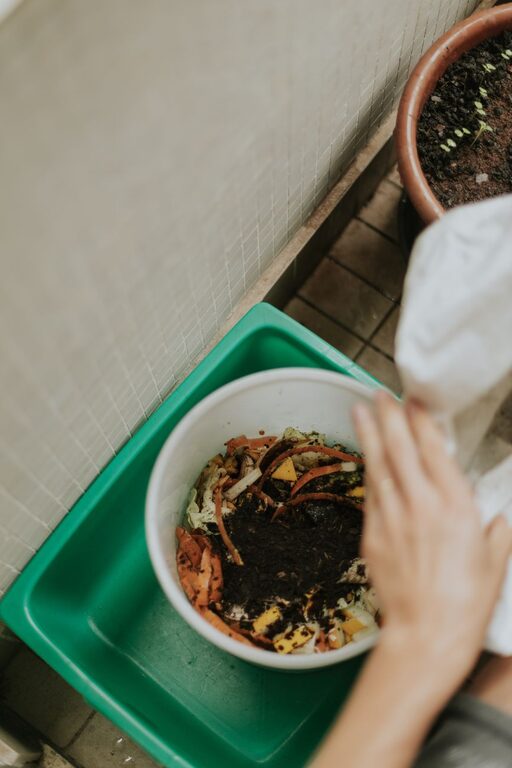
Composting at home is a fantastic way to reduce waste, enrich your garden soil, and contribute to a healthier environment. If you’re new to composting, it might seem a bit overwhelming at first, but with simple steps and basic knowledge, anyone can start composting successfully. This guide will walk you through everything you need to know to begin composting at home.
What Is Composting?
Composting is the natural process of recycling organic matter, such as food scraps and yard waste, into a rich soil amendment known as compost. This dark, crumbly material is full of nutrients that help plants grow strong and healthy.
Why Compost at Home?
– Reduces household waste: Composting keeps food scraps and yard waste out of landfills.
– Improves soil quality: Compost enriches your garden soil, improving moisture retention and fertility.
– Saves money: By creating your own fertilizer, you reduce the need for chemical fertilizers.
– Helps the environment: Composting lowers greenhouse gas emissions by diverting organic waste from landfills.
Getting Started: Choosing a Composting Method
There are several ways to compost at home. Here are some options to consider:
1. Backyard Composting
If you have space, a compost bin or pile in your yard is a great choice.
– Use a container or designate a spot in your yard.
– Ensure the area has good drainage and is partially shaded.
– Turn the compost regularly to aerate it.
2. Tumbler Composting
Compost tumblers are sealed bins on a stand that you can rotate to mix the contents.
– They speed up composting by allowing easy turning.
– They keep pests out.
– Ideal for small outdoor spaces.
3. Worm Composting (Vermicomposting)
Using worms to break down waste indoors or outdoors.
– Works well inside the home or on a balcony.
– Requires a worm bin and red wigglers (composting worms).
– Produces worm castings, a highly beneficial fertilizer.
What Can You Compost?
Successful composting depends on the right balance of ingredients, known as “greens” and “browns.”
Greens (Nitrogen-Rich Materials)
– Fruit and vegetable scraps
– Coffee grounds and tea bags
– Fresh grass clippings
– Plant trimmings
Browns (Carbon-Rich Materials)
– Dry leaves
– Straw or hay
– Cardboard and paper (shredded)
– Wood chips and sawdust (untreated)
Avoid composting meat, dairy, oily foods, or pet waste, as these can attract pests or create odors.
Tips to Keep Your Compost Healthy
1. Maintain the Right Balance
Aim for roughly 3 parts browns to 1 part greens. Too many greens can cause the compost to smell, while too many browns slow decomposition.
2. Keep It Moist
Your compost should feel like a wrung-out sponge — moist but not soggy.
3. Aerate Regularly
Turn your pile or mix your compost every 1-2 weeks to provide oxygen for the microbes breaking down your waste.
4. Chop or Shred Materials
Smaller pieces break down faster. Chop vegetable scraps, shred paper, and break up leaves before adding them.
5. Be Patient
Composting takes time — from a few weeks to several months depending on conditions. The result is worth the wait!
Common Challenges and How to Fix Them
| Problem | Cause | Solution |
|——————|—————————-|———————————-|
| Foul odor | Too wet or too many greens | Add more browns and turn pile |
| Pests or rodents | Meat/dairy in compost | Remove offending items, use closed bin |
| Compost not decomposing | Too dry or compacted | Add water and turn to aerate |
| Slow composting | Large pieces, lack of greens | Chop materials, balance ingredients |
Using Your Finished Compost
Once your compost is dark and crumbly with a pleasant earthy smell, it’s ready to use.
– Soil amendment: Mix compost into garden beds or pots.
– Mulch: Spread on top of soil to retain moisture.
– Lawn feed: Sprinkle thinly over grass to improve soil.
Final Thoughts
Starting composting at home is easier than you might think. By following these beginner tips, you can reduce waste, nurture your plants, and make a positive environmental impact — all right from your backyard or kitchen. Remember, composting is a natural process that will improve as you learn and experiment. Happy composting!